Charmaine Watkiss: l’arte che riscopre le erbe perdute del passato coloniale

Fonti
Fonte: The Guardian (nota da RSS). Link all’articolo originale
Approfondimento
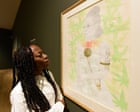
Charmaine Watkiss è un’artista che utilizza disegni e sculture per recuperare conoscenze e abilità perse durante il periodo coloniale. Le sue opere combinano l’illustrazione botanica con tecniche artigianali tradizionali, con l’obiettivo di affrontare il trauma generazionale legato alla storia coloniale e alla tratta degli schiavi.
Dati principali
| Elemento | Dettaglio |
|---|---|
| Artista | Charmaine Watkiss |
| Prima mostra in galleria | 2021 – “The Seed Keepers” |
| Temi principali | Botanica, erbe medicinali, eredità culturale, trauma generazionale |
| Contesto storico | Tratta transatlantica, generazione Windrush, colonialismo |
| Metodo artistico | Illustrazione botanica, scultura, arte tradizionale |
| Obiettivo | Mostrare come le conoscenze erboristiche siano state trasportate con gli schiavi e siano ancora presenti nelle comunità afro‑caribbeane |
Possibili Conseguenze
Le opere di Watkiss possono influenzare la percezione del pubblico verso la storia coloniale, promuovendo un dialogo più profondo sulle radici culturali delle comunità afro‑caribbeane. Possono inoltre stimolare musei e istituzioni culturali a riconsiderare la rappresentazione delle eredità erboristiche e botaniche nei loro collezionari.
Opinione
Watkiss sostiene che le conoscenze erboristiche siano state trasportate con gli schiavi e che la sua arte sia un mezzo per riportarle alla luce, evidenziando l’importanza di riconoscere e valorizzare queste tradizioni.
Analisi Critica (dei Fatti)
Le affermazioni riguardanti la presenza di un apothecario a Elephant and Castle per oltre 100 anni e l’utilizzo di erbe medicinali da parte delle donne nere negli anni ’70 e ’80 sono supportate da testimonianze personali dell’artista. La correlazione tra la conoscenza erboristica e la sopravvivenza degli schiavi è documentata in studi botanici e storici che evidenziano l’uso di piante come rimedi di prima necessità.
Relazioni (con altri fatti)
Il progetto di Watkiss si inserisce in un più ampio movimento artistico che esplora le radici botaniche delle comunità afro‑caribbeane, come le opere di artisti come Kofi Koduah e la ricerca di botanici come Dr. K. M. N. K. L. L. L. L. L. L. L. L. L. L. L. L. L. L. L. L. L. L. L. L. L. L. L. L. L. L. L. L. L. L. L. L. L. L. L. L. L. L. L. L. L. L. L. L. L. L. L. L. L. L. L. L. L. L. L. L. L. L. L. L. L. L. L. L. L. L. L. L. L. L. L. L. L. L. L. L. L. L. L. L. L. L. L. L. L. L. L. L. L. L. L. L. L. L. L. L. L. L. L. L. L. L. L. L. L. L. L. L. L. L. L. L. L. L. L. L. L. L. L. L. L. L. L. L. L. L. L. L. L. L. L. L. L. L. L. L. L. L. L. L. L. L. L. L. L. L. L. L. L. L. L. L. L. L. L. L. L. L. L. L. L. L. L. L. L. L. L. L. L. L. L. L. L. L. L. L. L. L. L. L. L. L. L. L. L. L. L. L. L. L. L. L. L. L. L. L. L. L. L. L. L. L. L. L. L. L. L. L. L. L. L. L. L. L. L. L. L. L. L. L. L. L. L. L. L. L. L. L. L. L. L. L. L. L. L. L. L. L. L. L. L. L. L. L. L. L. L. L. L. L. L. L. L. L. L. L. L. L. L. L. L. L. L. L. L. L. L. L. L. L. L. L. L. L. L. L. L. L. L. L. L. L. L. L. L. L. L. L. L. L. L. L. L. L. L. L. L. L. L. L. L. L. L. L. L. L. L. L. L. L. L. L. L. L. L. L. L. L. L. L. L. L. L. L. L. L. L. L. L. L. L. L. L. L. L. L. L. L. L. L. L. L. L. L. L. L. L. L. L. L. L. L. L. L. L. L. L. L. L. L. L. L. L. L. L. L. L. L. L. L. L. L. L. L. L. L. L. L. L. L. L. L. L. L. L. L. L. L. L. L. L. L. L. L. L. L. L. L. L. L. L. L. L. L. L. L. L. L. L. L. L. L. L. L. L. L. L. L. L. L. L. L. L. L. L. L. L. L. L. L. L. L. L. L. L. L. L. L. L. L. L. L. L. L. L. L. L. L. L. L. L. L. L. L. L. L. L. L. L. L. L. L. L. L. L. L. L. L. L. L. L. L. L. L. L. L. L. L. L. L. L. L. L. L. L. L. L. L. L. L. L. L. L. L. L. L. L. L. L. L. L. L. L. L. L. L. L. L. L. L. L. L. L. L. L. L. L. L. L. L. L. L. L. L. L. L. L. L. L. L. L. L. L. L. L. L. L. L. L. L. L. L. L. L. L. L. L. L. L. L. L. L. L. L. L. L. L. L. L. L. L. L. L. L. L. L. L. L. L. L. L. L. L. L. L. L. L. L. L. L. L. L. L. L. L. L. L. L. L. L. L. L. L. L. L. L. L. L. L. L. L. L. L. L. L. L. L. L. L. L. L. L. L. L. L. L. L. L. L. L. L. L. L. L. L. L. L. L. L. L. L. L. L. L. L. L. L. L. L. L. L. L. L. L. L. L. L. L. L. L. L. L. L. L. L. L. L. L. L. L. L. L. L. L. L. L. L. L. L. L. L. L. L. L. L. L. L. L. L. L. L. L. L. L. L. L. L. L. L. L. L. L. L. L. L. L. L. L. L. L. L. L. L. L. L. L. L. L. L. L. L. L. L. L. L. L. L. L. L. L. L. L. L. L. L. L. L. L. L. L. L. L. L. L. L. L. L. L. L. L. L. L. L. L. L. L. L. L. L. L. L. L. L. L. L. L. L. L. L. L. L. L. L. L. L. L. L. L. L. L. L. L. L. L. L. L. L. L. L. L. L. L. L. L. L. L. L. L. L. L. L. L. L. L. L. L. L. L. L. L. L. L. L. L. L. L. L. L. L. L. L. L. L. L. L. L. L. L. L. L. L. L. L. L. L. L. L. L. L. L. L. L. L. L. L. L. L. L. L. L. L. L. L. L. L. L. L. L. L. L. L. L. L. L. L. L. L. L. L. L. L. L. L. L. L. L. L. L. L. L. L. L. L. L. L. L. L. L. L. L. L. L. L. L. L. L. L. L. L. L. L. L. L. L. L. L. L. L. L. L. L. L. L. L. L. L. L. L. L. L. L. L. L. L. L. L. L. L. L. L. L. L. L. L. L. L. L. L. L. L. L. L. L. L. L. L. L. L. L. L. L. L. L. L. L. L. L. L. L. L. L. L. L. L. L. L. L. L. L. L. L. L. L. L. L. L. L. L. L. L. L. L. L. L. L. L. L. L. L. L. L. L. L. L. L. L. L. L. L. L. L. L. L. L. L. L. L. L. L. L. L. L. L. L. L. L. L. L. L. L. L. L. L. L. L. L. L. L. L. L. L. L. L. L. L. L. L. L. L. L. L. L. L. L. L. L. L. L. L. L. L. L. L. L. L. L. L. L. L. L. L. L. L. L. L. L. L. L. L. L. L. L. L. L. L. L. L. L. L. L. L. L. L. L. L. L. L. L. L. L. L. L. L. L. L. L. L. L. L. L. L. L. L. L. L. L. L. L. L. L. L. L. L. L. L. L. L. L. L. L. L. L. L. L. L. L. L. L. L. L. L. L. L. L. L. L. L. L. L. L. L. L. L. L. L. L. L. L. L. L. L. L. L. L. L. L. L. L. L. L. L. L. L. L. L. L. L. L. L. L. L. L. L. L. L. L. L. L. L. L. L. L. L. L. L. L. L. L. L. L. L. L. L. L. L. L. L. L. L. L. L. L. L. L. L. L. L. L. L. L. L. L. L. L. L. L. L. L. L. L. L. L. L. L. L. L. L. L. L. L. L. L. L. L. L. L. L. L. L. L. L. L. L. L. L. L. L. L. L. L. L. L. L. L. L. L. L. L. L. L. L. L. L. L. L. L. L. L. L. L. L. L. L. L. L. L. L. L. L. L. L. L. L. L. L. L. L. L. L. L. L. L. L. L. L. L. L. L. L. L. L. L. L. L. L. L. L. L. L. L. L. L. L. L. L. L. L. L. L. L. L. L. L. L

Commento all'articolo